River Gorges and Michelin Restaurants
When our son Gustavo mentioned he had a few days off, we didn't hesitate — we loaded up the car and headed south into the Dordogne, a part of France we'd long been curious about but never quite made it to. The drive from Chabanais took us through rolling hills of oak and chestnut, past quiet hamlets, vineyards beginning to flush green, and the occasional tractor winding along a country lane. By the time we wound down into the river valley and caught our first glimpse of La Roque-Gageac — the village clinging impossibly to a sheer limestone cliff above the Dordogne river — we knew we'd made the right call.
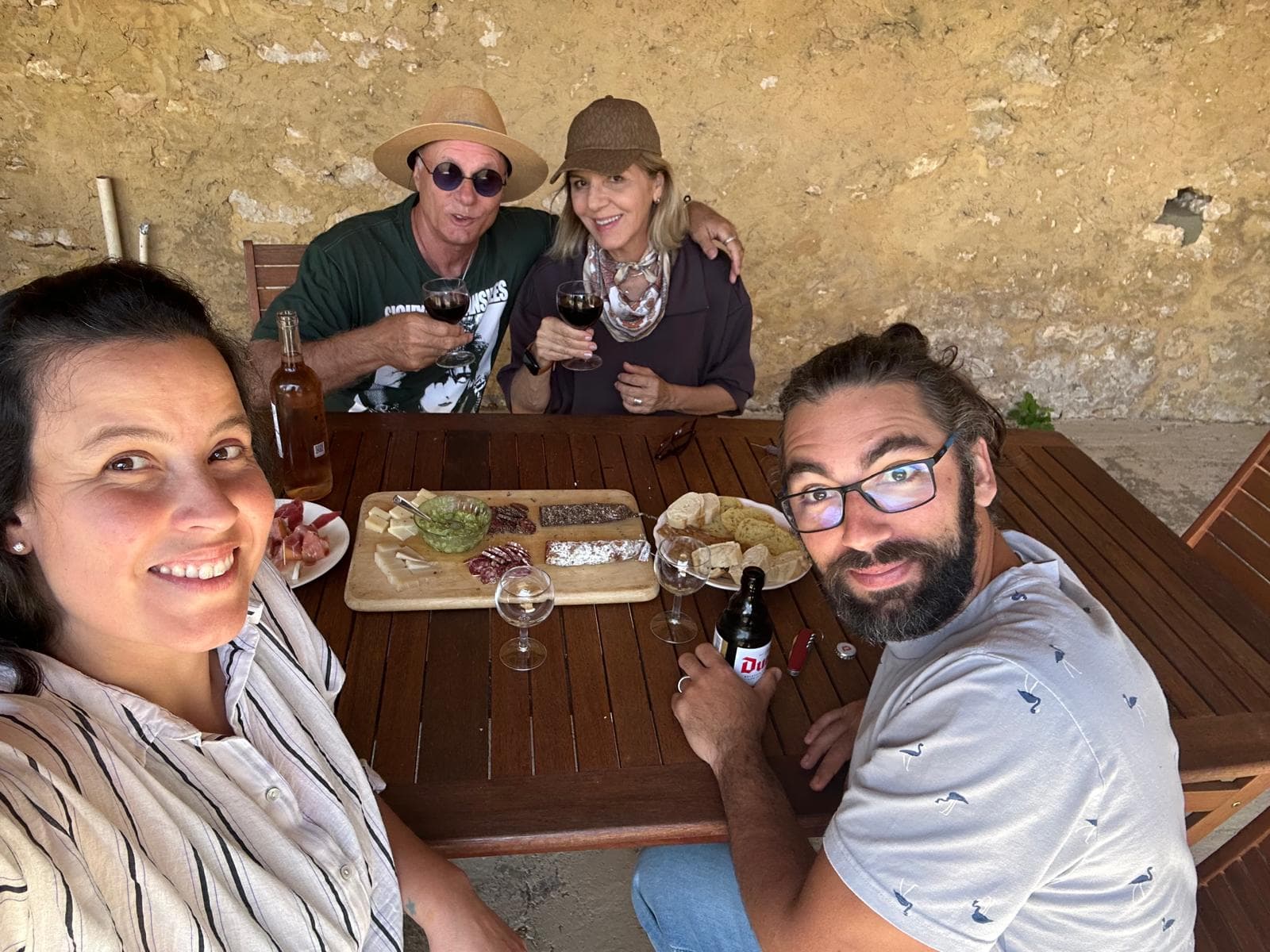
Our time in La Roque-Gageac was made even more special because we were able to share it with our son, Gustavo, and his wife, Paola.
8 photos
Nestled in the heart of the Dordogne, our Airbnb felt like something from a postcard — a beautiful stone house surrounded by gardens, ancient trees, and dramatic limestone cliffs rising in the distance. The rustic charm of the home, with its exposed beams, thick stone walls, and peaceful outdoor spaces, encouraged us to slow down and truly enjoy the experience together. Whether sitting beneath the shade of the terrace or admiring the countryside views, the house felt less like a rental and more like a temporary home.
Some of our favorite memories came from the simple pleasures we shared as a family: lingering over wine, charcuterie, and cheese on sunny afternoons, laughing together around the table, and enjoying the quiet beauty of the Dordogne landscape. There was something wonderfully relaxing about sitting outdoors with a glass of Bordeaux, surrounded by gardens and good company, with nowhere else we needed to be. It was one of those rare trips where the destination, the people, and the setting all came together perfectly, creating memories we know we will treasure for years to come.
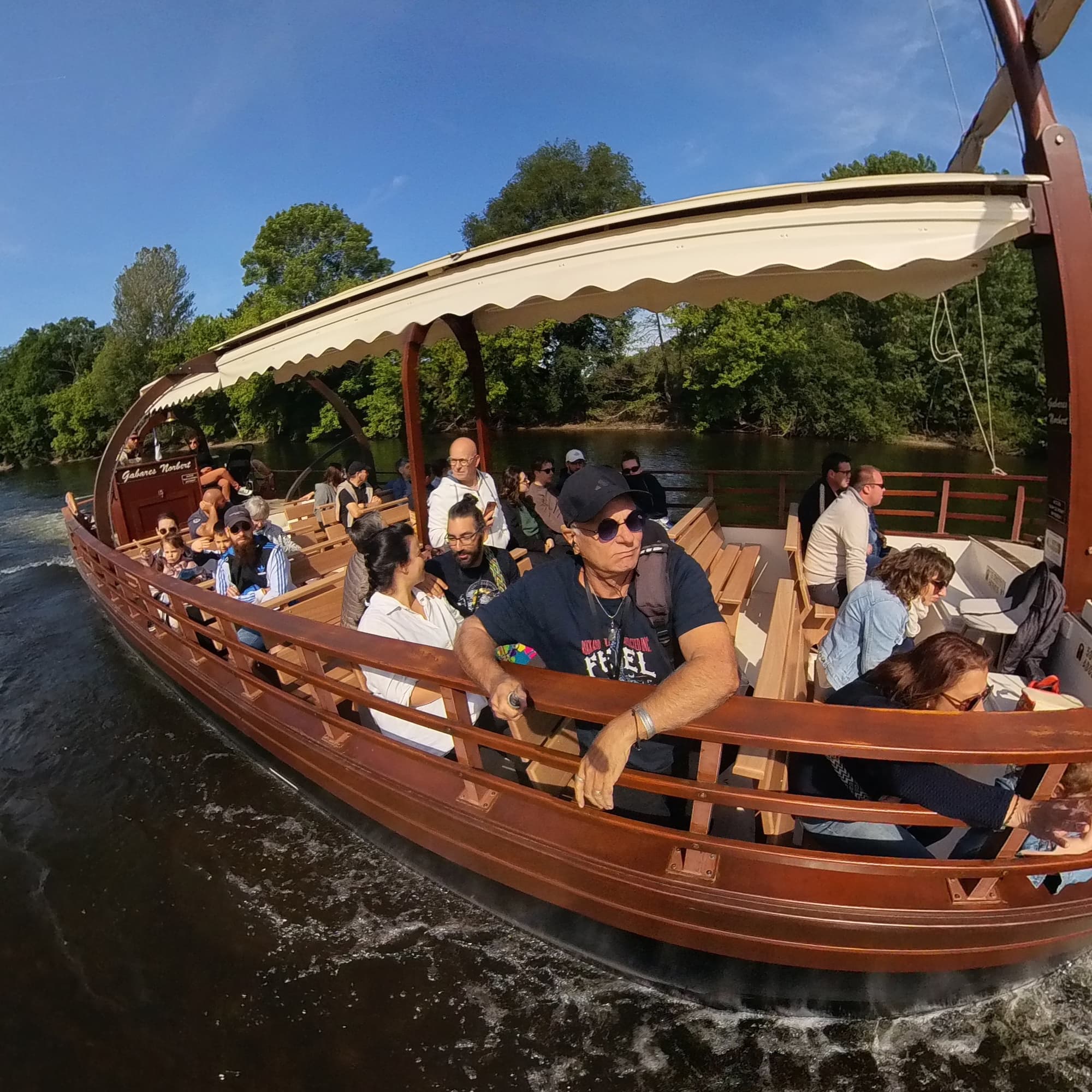
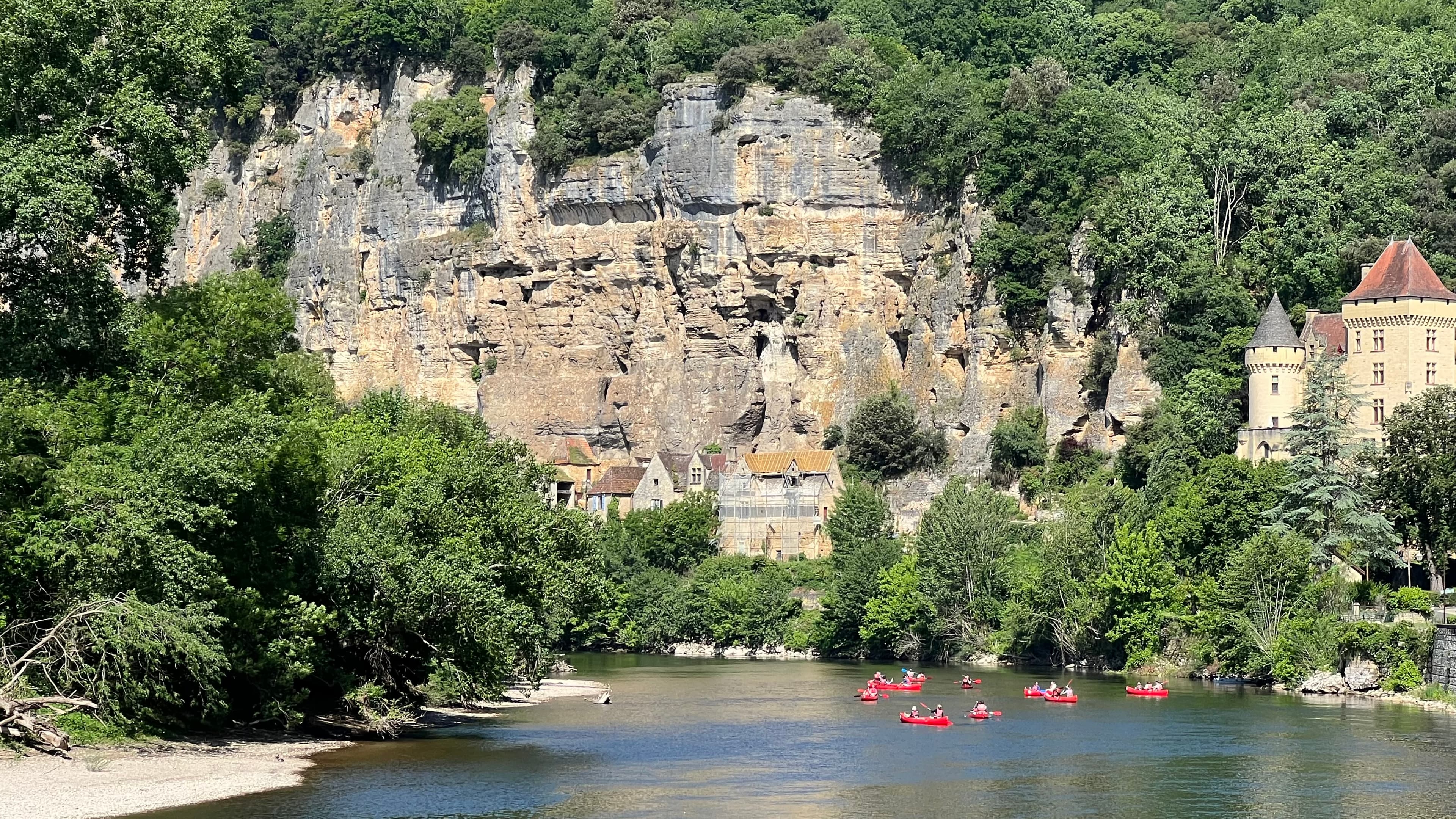
A ride down the Dordogne by Garabe
2 photos
The Dordogne is one of those places that earns its reputation effortlessly. Named after the river that winds through it, the region has been inhabited since prehistoric times, with cave paintings and ancient cliff dwellings still scattered throughout the landscape. Over the centuries, it became one of the most fiercely contested regions of France during the Hundred Years’ War, leaving behind an extraordinary concentration of medieval castles, fortified villages, and bastide towns.
17 photos
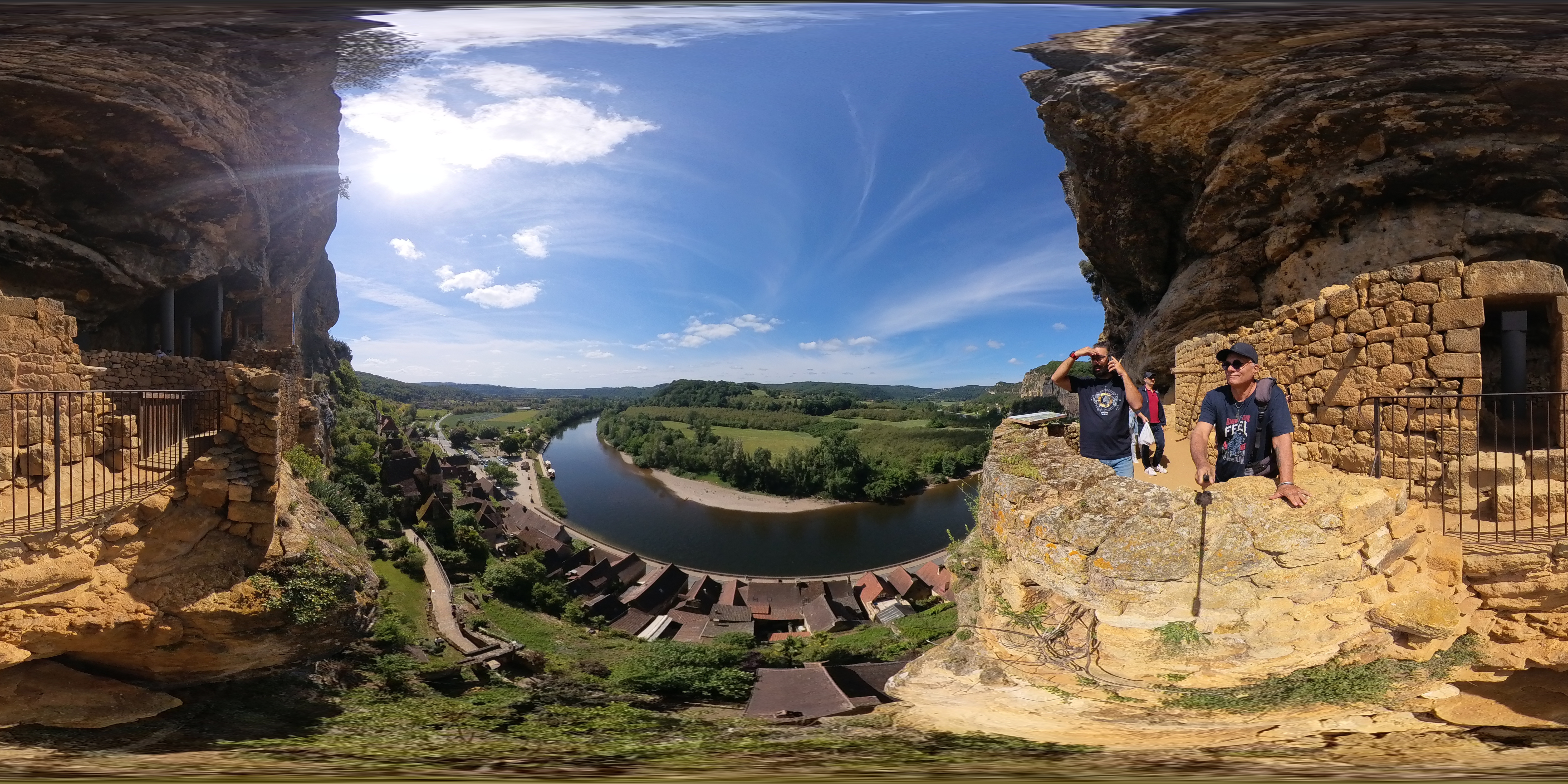
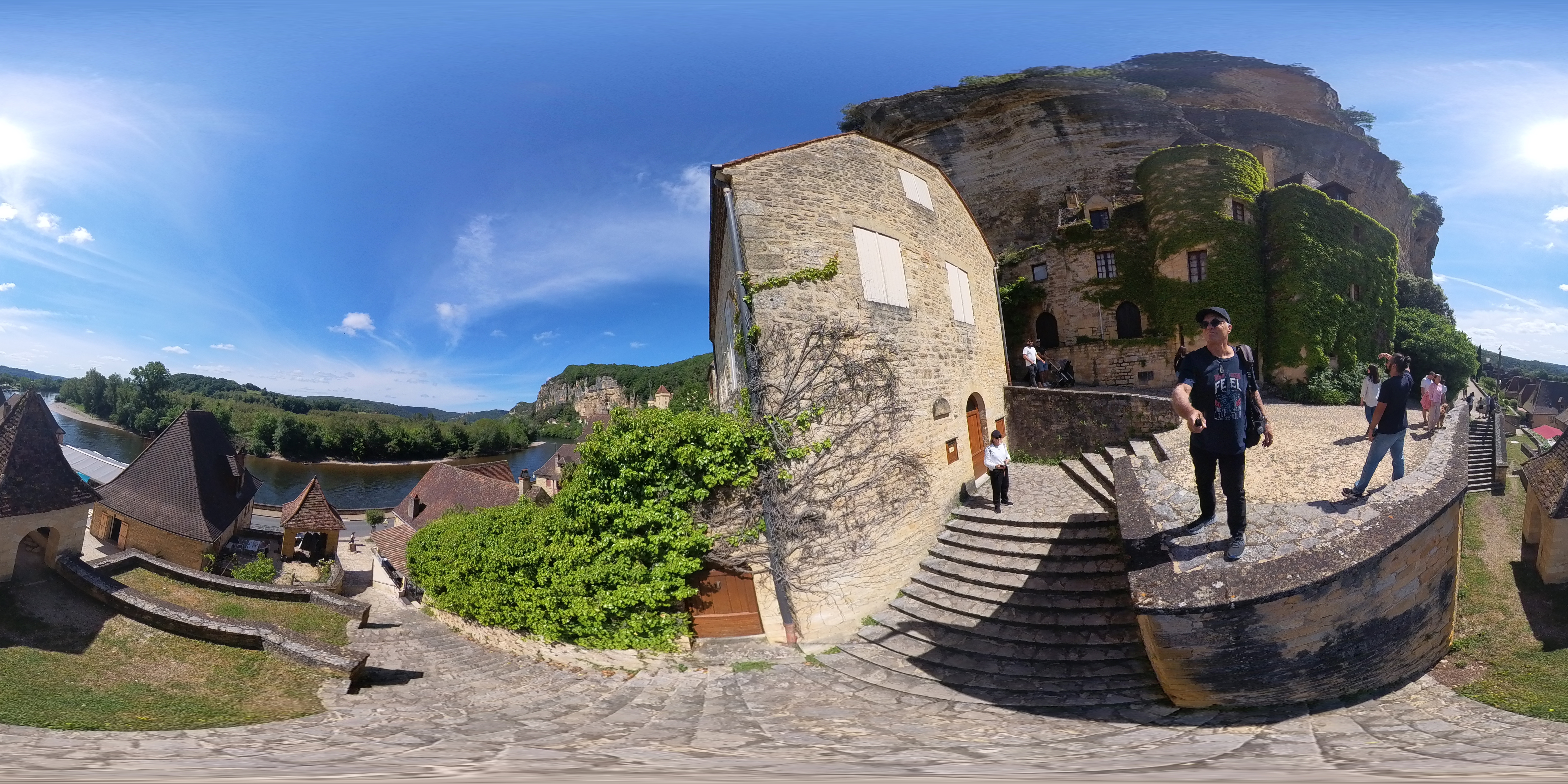
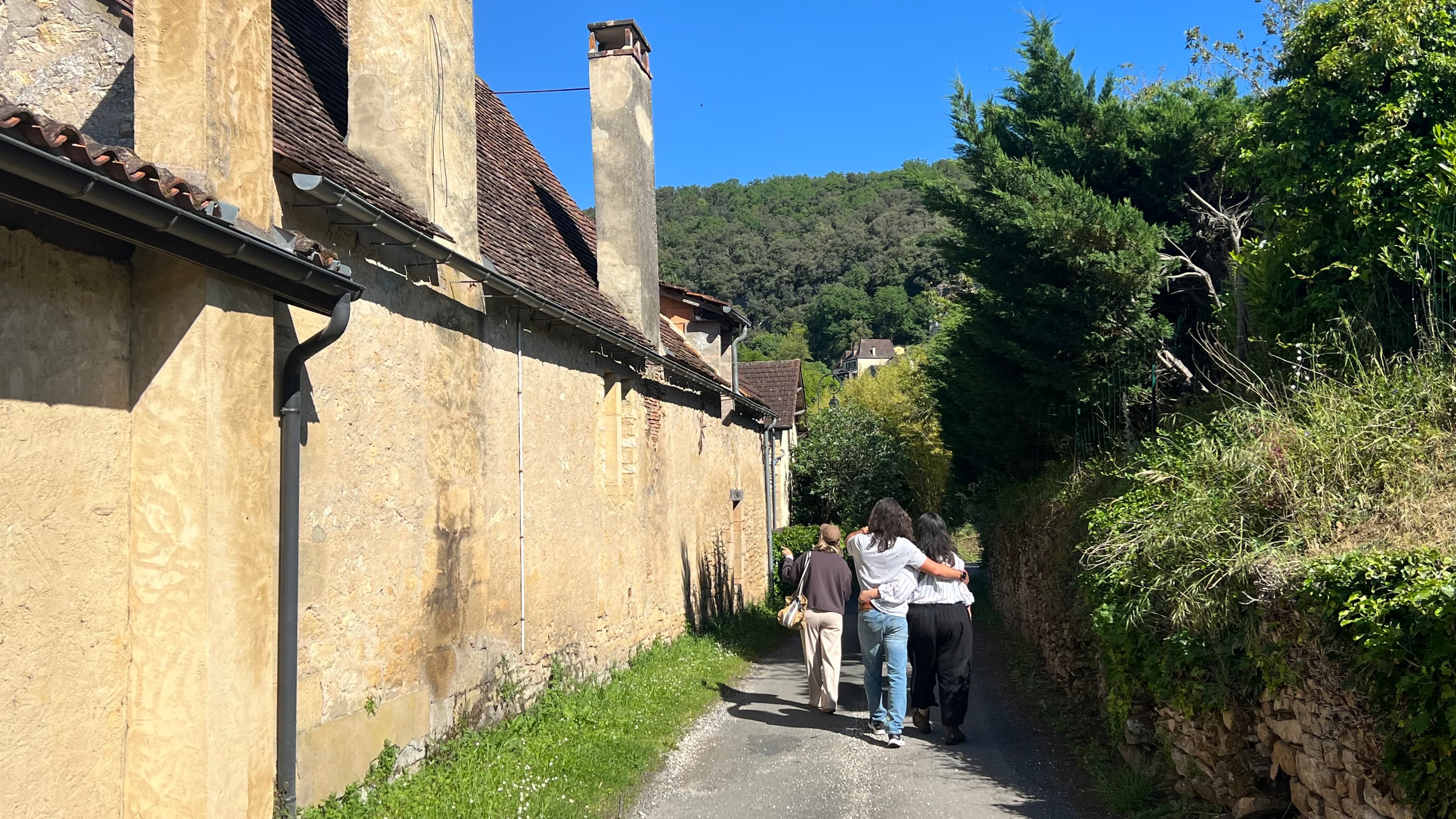
La Roque-Gageac, officially recognized as one of Les Plus Beaux Villages de France, sits dramatically between towering limestone cliffs and the Dordogne River, its honey-colored stone houses glowing in the afternoon light. Protected by the cliffs, the village enjoys an unusually mild microclimate where bamboo, palms, and even banana trees flourish, giving it an almost Mediterranean feel. With barely any traffic, quiet lanes, and flat-bottomed gabarres drifting along the river, life here moves at a slower rhythm, making it easy to understand why people have chosen to settle in this remarkable corner of France for thousands of years.
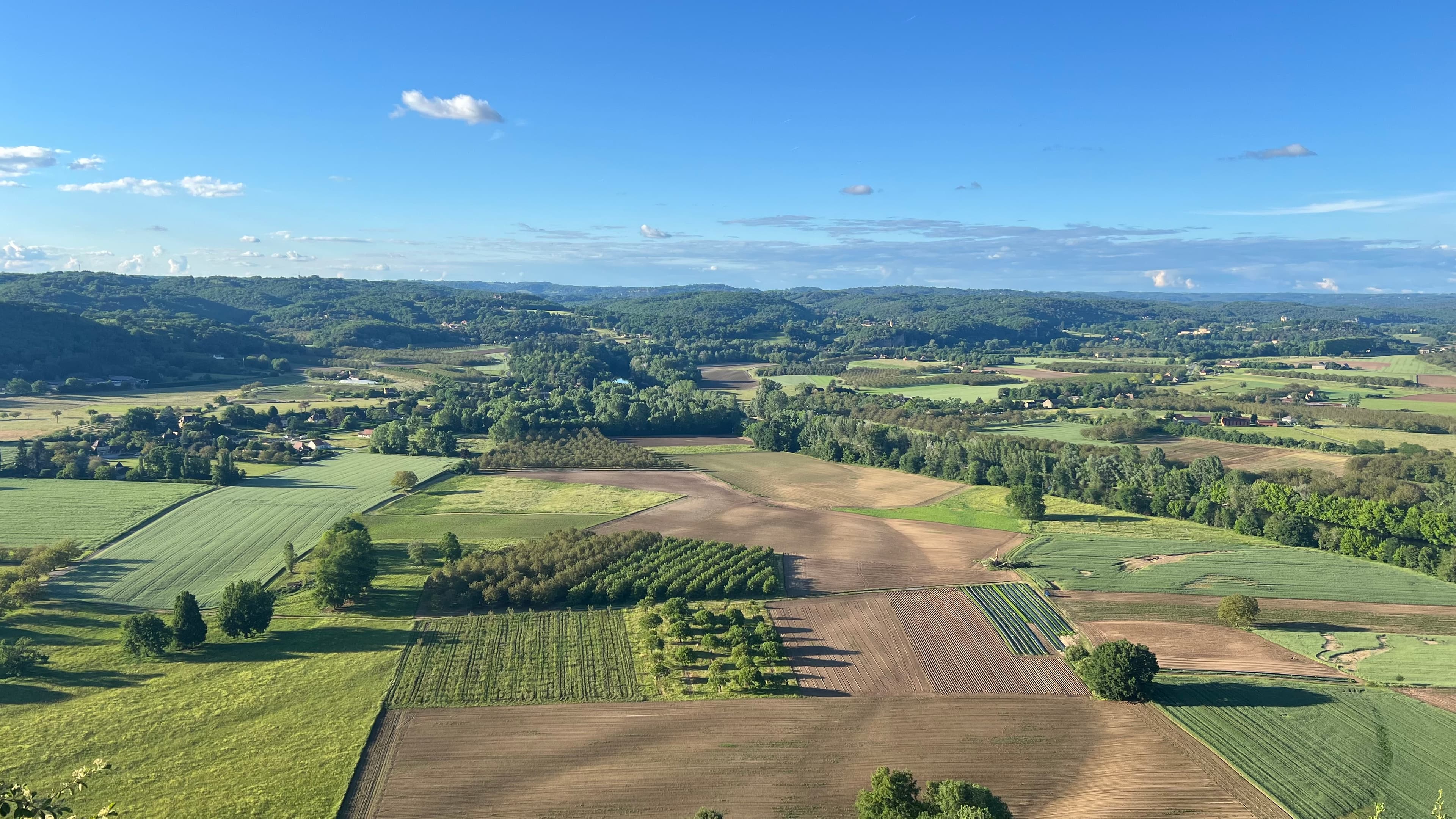
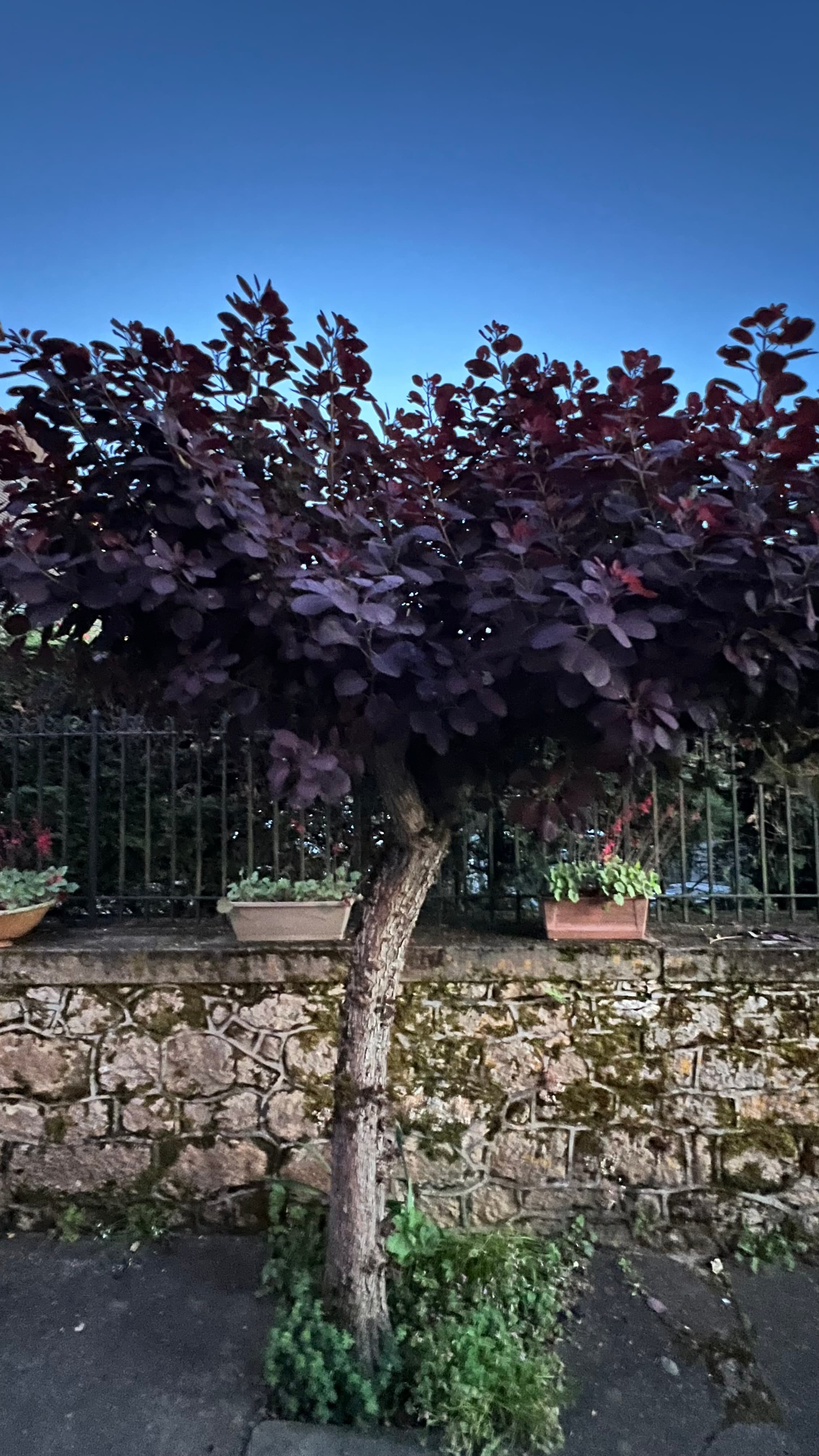
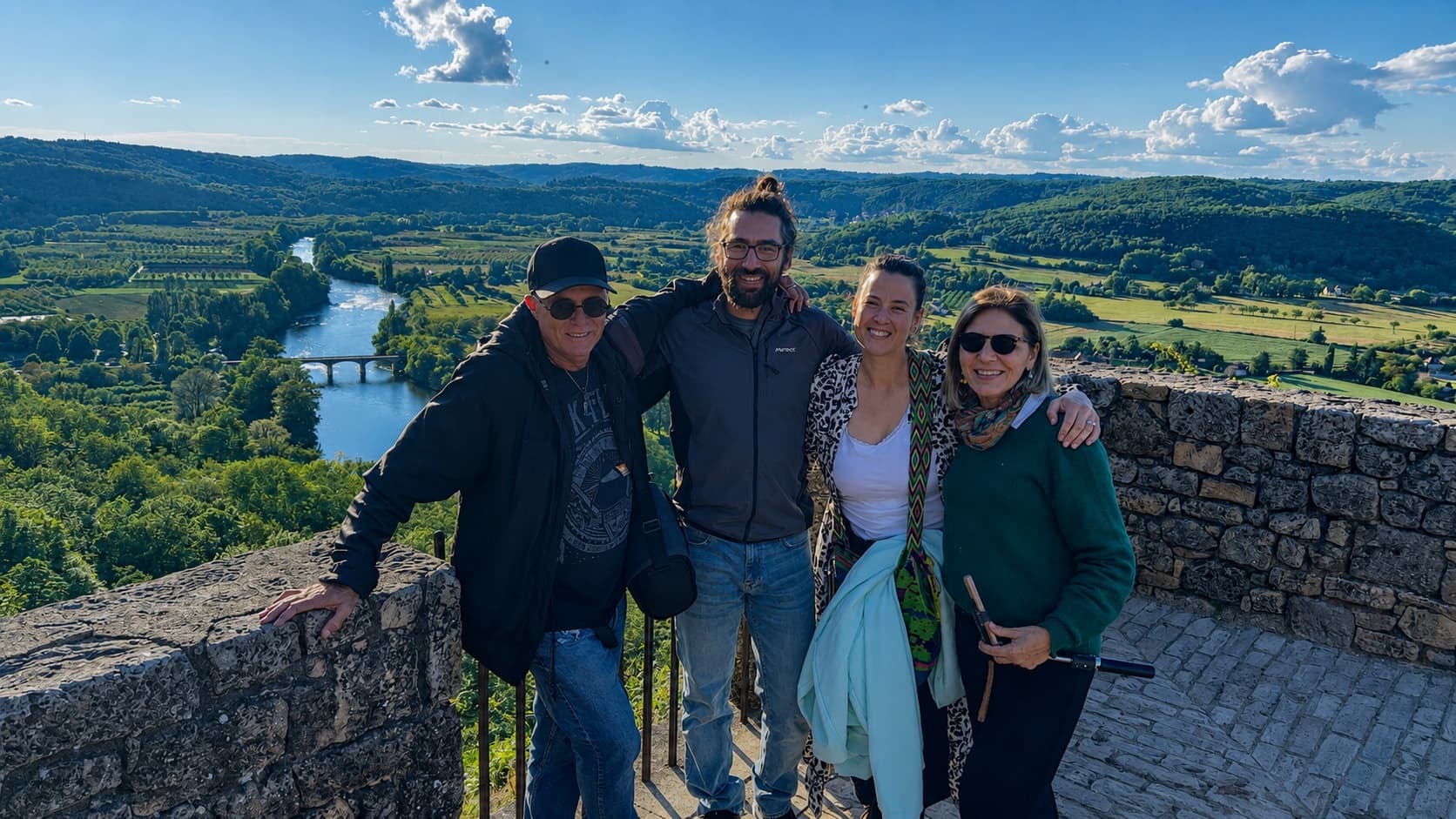
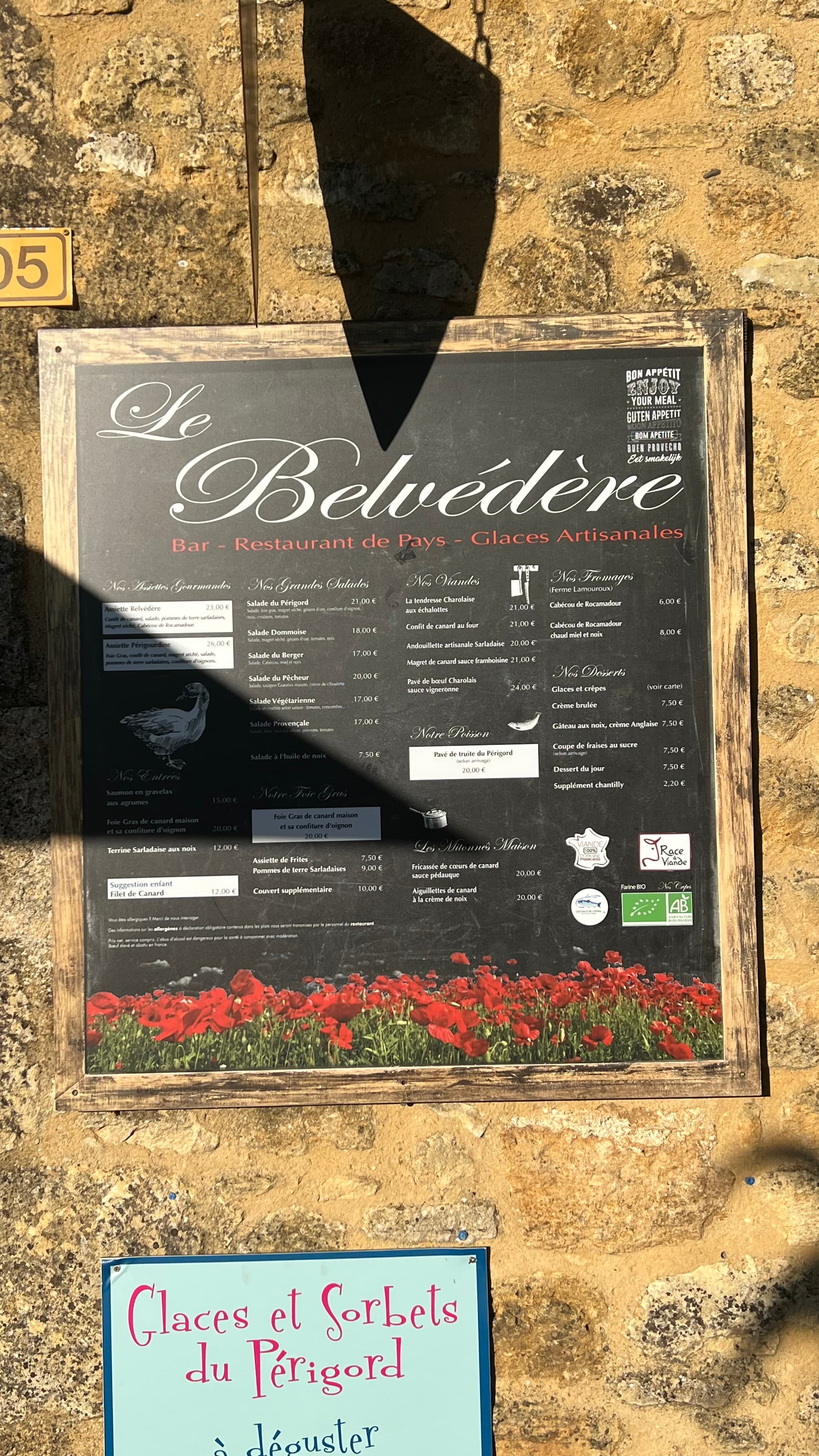
We spent a delightful afternoon and evening exploring Domme, one of the most beautiful hilltop villages in the Dordogne. Perched dramatically on a limestone cliff more than 150 meters above the Dordogne River, the village offers breathtaking panoramic views across the valley from its terraces, cafés, and restaurants. Founded in 1281 by King Philip III of France as a fortified bastide town, Domme played an important role during the Hundred Years’ War and still retains much of its medieval character, including impressive gates, stone ramparts, and narrow winding streets. As we wandered through the village, we were struck by the abundance of flowers and carefully tended gardens that soften the ancient stone buildings and create a warm, welcoming atmosphere. One of the highlights of our visit was exploring the remarkable cave hidden beneath the village square, where a network of chambers filled with stalactites and stalagmites reveals a fascinating underground world. As the afternoon gave way to evening, we lingered over drinks and dinner while watching the changing light over the Dordogne Valley.
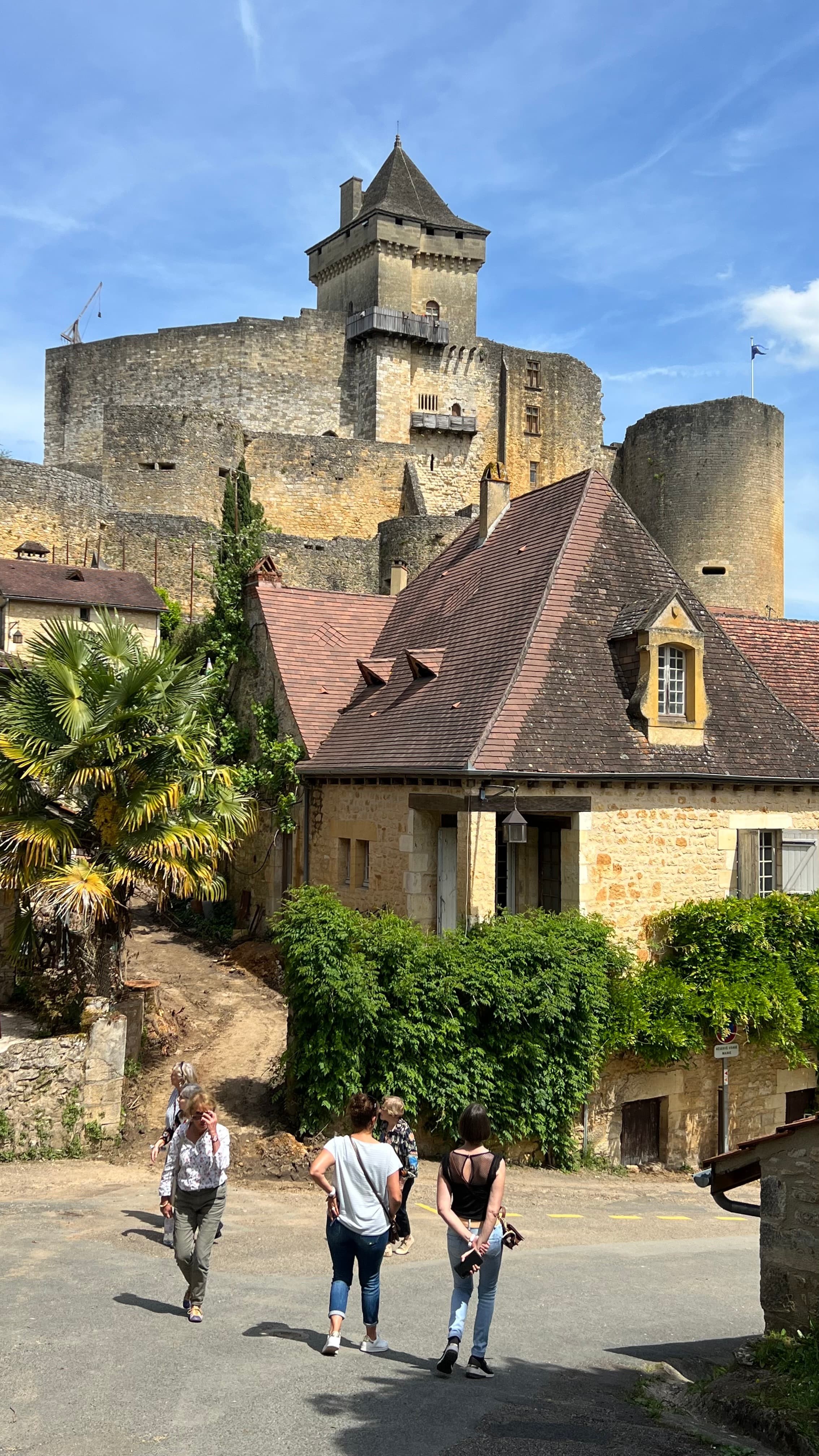
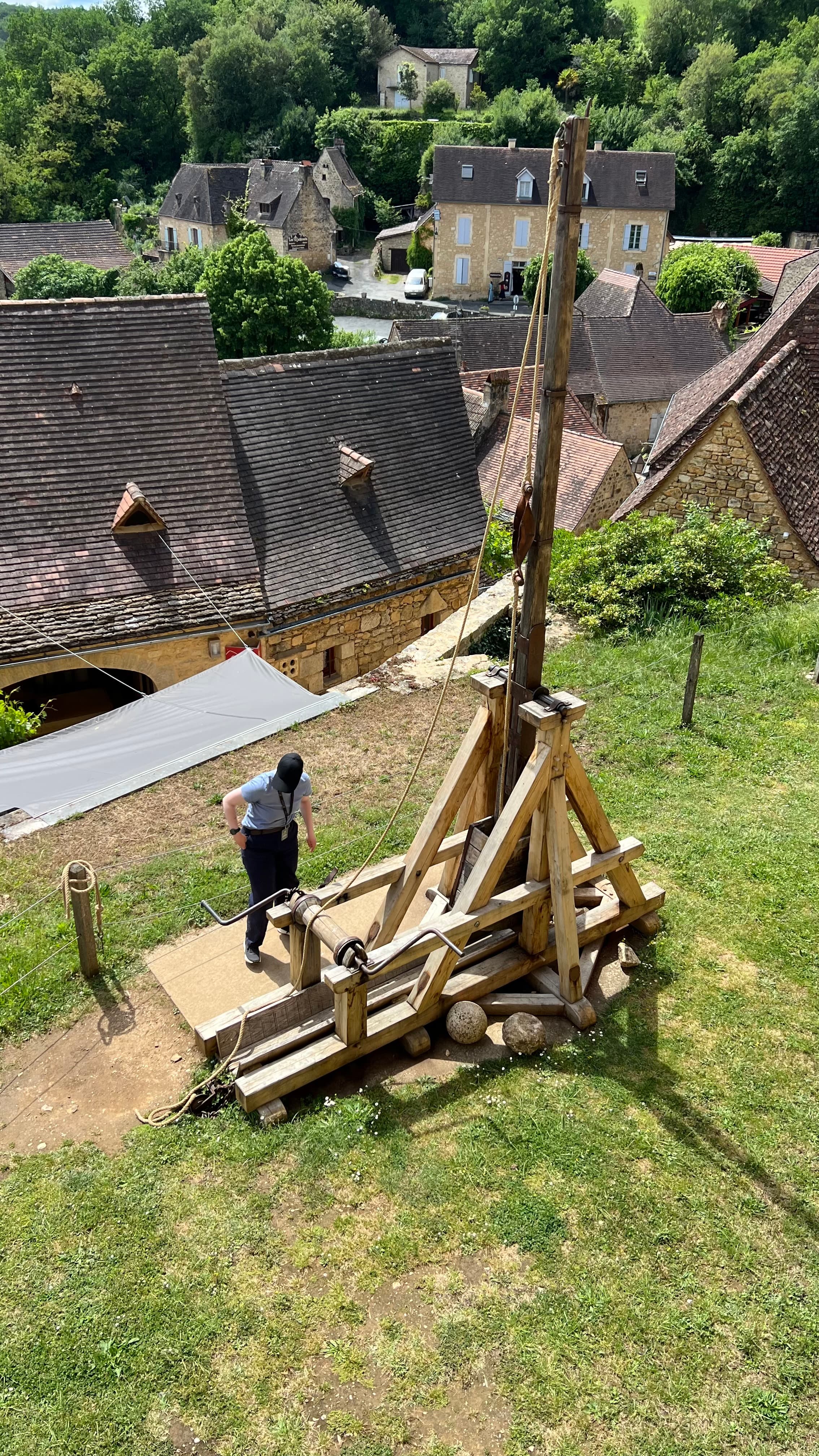
Our visit to Château de Castelnaud-la-Chapelle was an absolute highlight — especially for Gustavo, who has never met a castle or medieval artifact he didn’t love. Perched dramatically above the Dordogne River, the fortress looks like something lifted straight from a storybook, and in many ways it is. Originally built in the 12th century, Castelnaud became one of the great strongholds of the Hundred Years’ War, changing hands between the English and French as rival kings fought for control of the region. We joined a guided tour led by a wonderfully kind French guide whose English came with a touch of nervousness, though we made it our mission to cheer her on with smiles and encouragement. She turned out to be fantastic, bringing centuries of sieges, knights, and rival kingdoms vividly to life.
The castle itself felt wonderfully alive rather than frozen behind museum glass. We watched a dramatic trebuchet demonstration — the medieval siege weapon capable of hurling massive stones at enemy walls — and a blacksmith skillfully forging an arrowhead much as craftsmen would have done centuries ago for archers defending the fortress. Inside the museum, rooms filled with medieval weapons and armor gave us a glimpse into the brutal realities of castle warfare, from chain mail and crossbows to towering suits of armor. And because no castle visit is complete without a little modern technology, I finished the day by launching my Antigravity A1 drone to capture sweeping aerial footage of the fortress standing proudly above the Dordogne Valley — a perfect ending to a day that felt like stepping back in time.
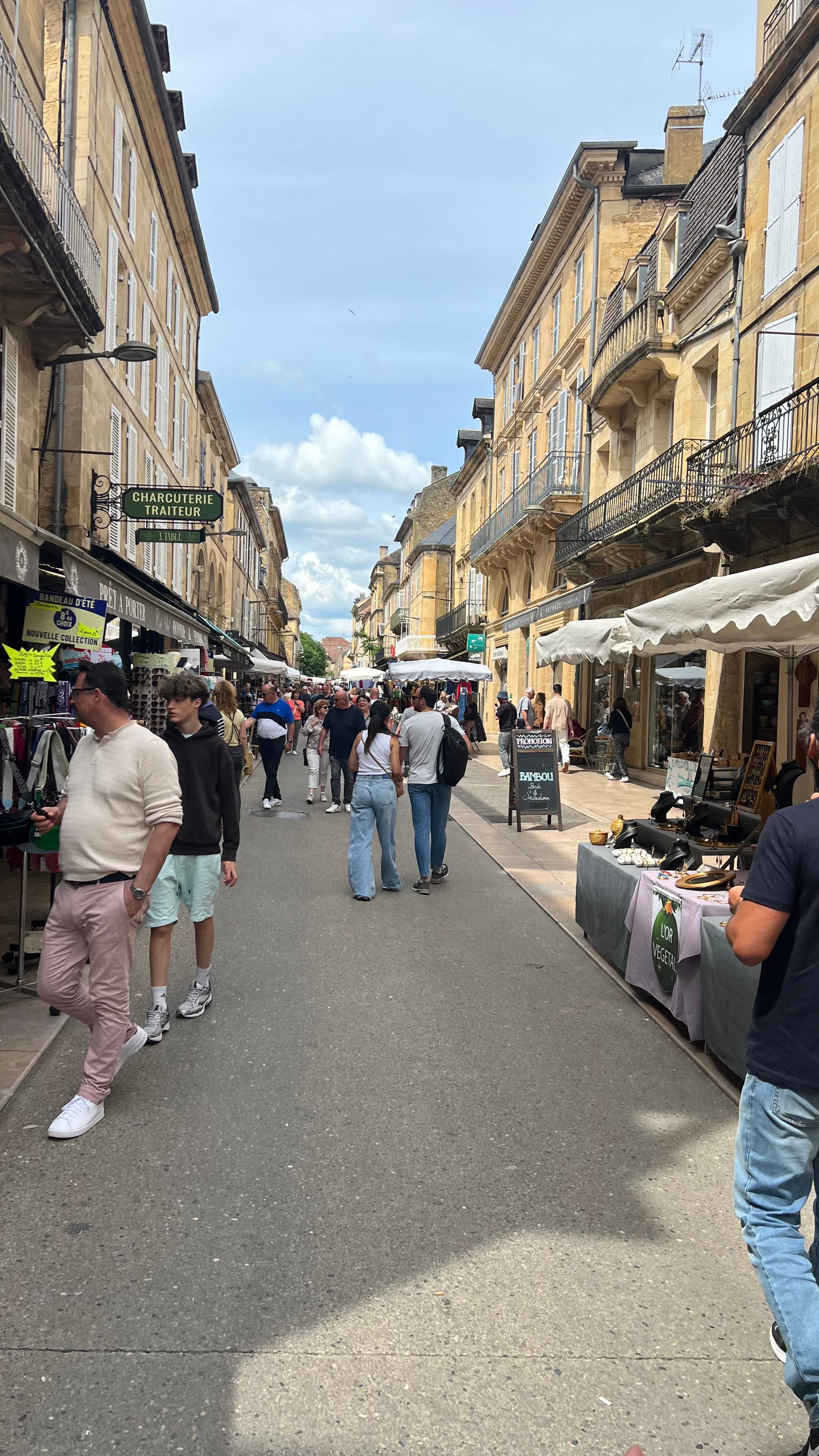
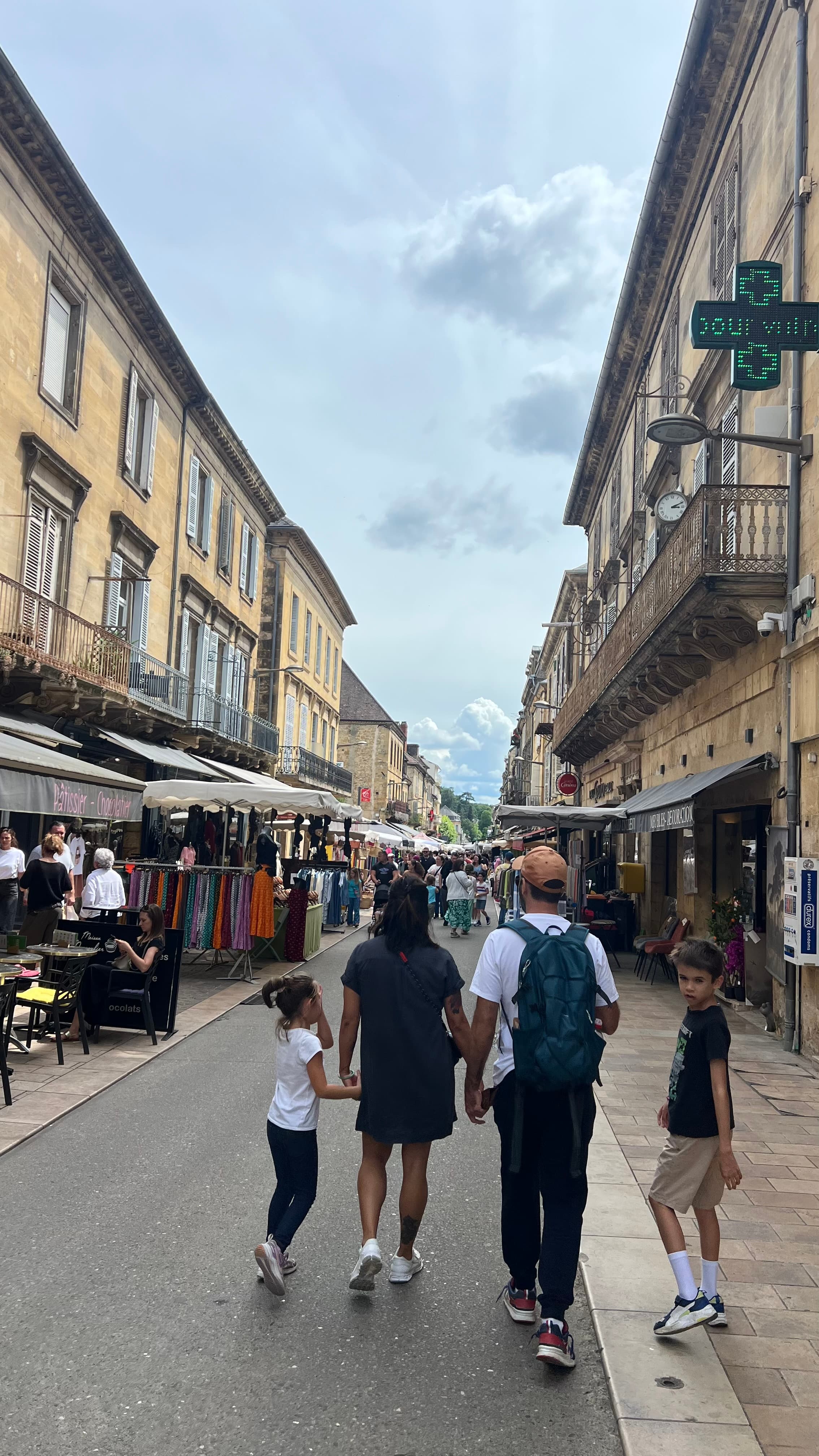
On our way back to our home in Chabanais we stopped at Sarlat-la-Canéda. It is full winding shopping streets stone buildings, small boutiques, cafés, and shops filled with regional specialties like walnuts, truffles, duck products, and local wines. Often called one of the most beautiful medieval towns in France, Sarlat feels less like a tourist stop and more like wandering through a film set from another century.
A Few 360 photos for you enjoyment